
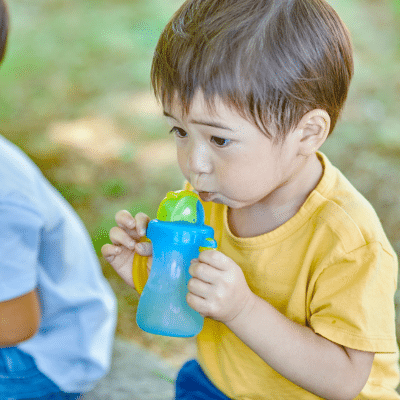
 Sippy cups and dental health are closely linked, and at Pediatric Dentistry & Orthodontics of Chattanooga, we understand that caring for your child’s teeth begins early. While sippy cups are a convenient way to feed and hydrate your little one, prolonged use can negatively affect their dental health. In this blog, we’ll explore how extended use of sippy cups and their impact on dental health can affect your child’s teeth and offer tips for transitioning to regular cups for better oral health.
How Prolonged Use of Sippy Cups and Dental Health Affects Teeth
- Increased Risk of Tooth Decay from Sippy Cups and Dental Health: One of the most common dental concerns associated with prolonged use of sippy cups is tooth decay. If your child regularly uses a sippy cup filled with sugary liquids, such as juice or milk, it can create an environment where harmful bacteria thrive. These bacteria feed on sugar and produce acids that can erode tooth enamel, leading to cavities. Additionally, if your child falls asleep with a sippy cup, the liquid pools in their mouth for an extended period, allowing acids to linger on their teeth and increase the risk of decay. The more frequently your child uses sippy cups, the greater the impact on their dental health.
- Prolonged Exposure to Liquids and Its Effect on Sippy Cups and Dental Health: When children sip from a bottle or sippy cup throughout the day, they expose their teeth to liquids for much longer periods compared to drinking from a regular cup. The constant sipping habit doesn’t give the teeth a chance to recover between drinks, meaning that harmful acids from sugary liquids stay in contact with the teeth for longer. This constant exposure increases the risk of tooth decay and other dental problems, especially if the liquids contain sugar. For better dental health, it’s important to reduce prolonged liquid exposure.
- Misalignment and Speech Issues Linked to Sippy Cups and Dental Health: Prolonged use of sippy cups and bottles can also contribute to dental misalignment. When children drink from a bottle or sippy cup, their mouth posture and the way they drink can affect their developing teeth and jaws. If a child continues to use a bottle or sippy cup after their first few years, they may develop an open bite or other alignment issues. Additionally, continued use of sippy cups can interfere with the proper development of the tongue and mouth muscles, which can lead to speech issues down the road. These effects on sippy cups and dental health are concerning for long-term oral development.
- Teeth Grinding and Oral Habits Linked to Sippy Cups and Dental Health: Children who continue to use sippy cups for comfort may also develop oral habits such as thumb sucking or teeth grinding. These habits can worsen misalignment and create additional problems for your child’s oral health. By transitioning away from sippy cups, you can help reduce these habits and promote better dental health for your child.
Tips for Transitioning from Sippy Cups and Bottles to Regular Cups
- Start Early for Better Sippy Cups and Dental Health: The American Academy of Pediatrics (AAP) recommends transitioning from a bottle to a cup by 12-18 months. The earlier you start, the easier it will be for your child to adjust. Gradually introducing a regular cup during meals and snacks will allow your child to develop the coordination and muscle strength needed for drinking from a cup, which can promote better dental health.
- Use Training Cups to Improve Sippy Cups and Dental Health: If your child is reluctant to give up the sippy cup, consider using a training cup with a spout or a straw. These cups are designed to mimic the drinking experience from a bottle or sippy cup while encouraging your child to learn how to drink from a more traditional cup. Training cups can help improve dental health by promoting better drinking habits.
- Gradual Transition for Sippy Cups and Dental Health Improvement: If your child is very attached to their sippy cup or bottle, consider making the transition gradual. Start by replacing one bottle or sippy cup session each day with a regular cup. For example, offer the cup during mealtime and use the sippy cup for snacks or before bedtime. Over time, your child will become more comfortable with using a regular cup, and their dental health will improve.
- Make It Fun for Better Sippy Cups and Dental Health: Transitioning from a bottle or sippy cup to a regular cup can be challenging for some children. Make the experience more enjoyable by letting your child pick out their own special cup. A cup featuring their favorite character or design can create excitement about using it. You can also involve them in the process by allowing them to help pour their drinks. This positive approach can enhance the use of sippy cups and dental health.
- Positive Reinforcement to Support Sippy Cups and Dental Health: Encourage your child with positive reinforcement when they use a regular cup. Praise them for their efforts and celebrate small victories. You might even offer a fun reward, like a sticker or extra playtime, when they successfully drink from a regular cup. Positive reinforcement will help your child associate drinking from a regular cup with a sense of accomplishment, supporting better dental health.
- Lead by Example for Sippy Cups and Dental Health: Children learn by watching the adults around them. If they see you using a regular cup at mealtime, they will be more likely to mimic your behavior. Let your child see you enjoying your drink from a regular cup, and they’ll be more inclined to follow suit, which will help improve their dental health.
- Monitor Their Oral Hygiene for Better Sippy Cups and Dental Health: As you transition from bottles and sippy cups, be sure to continue focusing on your child’s oral hygiene. Encourage regular brushing twice a day with fluoride toothpaste, and remember to floss once their teeth are touching. Schedule regular dental checkups with us at Pediatric Dentistry & Orthodontics of Chattanooga to ensure your child’s teeth are developing correctly.
Final Thoughts on Sippy Cups and Dental Health
While sippy cups and bottles can be a helpful tool for parents in Chattanooga, Singal Mountain, Ooltewah, Jasper, Athens, Cleveland, TN and Ringgold, Fort Oglethorpe, Trenton, Dalton, GA, it’s important to transition your child to regular cups as they grow older. Prolonged use of sippy cups can lead to dental problems such as tooth decay, misalignment and oral habits that may affect their overall dental health. By starting early and following the tips outlined above, you can help ensure that your child’s transition to a regular cup is smooth and beneficial for their dental development. This will improve the impact of sippy cups on your child’s future smiles.
Request Your Consultation in Tennessee or Georgia Today
If you have any concerns or questions about your child’s oral health, don’t hesitate to request your child’s appointment with us at Pediatric Dentistry & Orthodontics of Chattanooga. We’re here to help your child build healthy, lasting oral hygiene habits that will set them up for a lifetime of bright, beautiful smiles!


