
Canines, molars, incisors – your child spends her first two years growing teeth. During those years, you’ll likely establish a routine for bedtime, meals, and riding in the car. In those formative years, it’s also important to establish a routine for dental hygiene that includes regular dental visits.
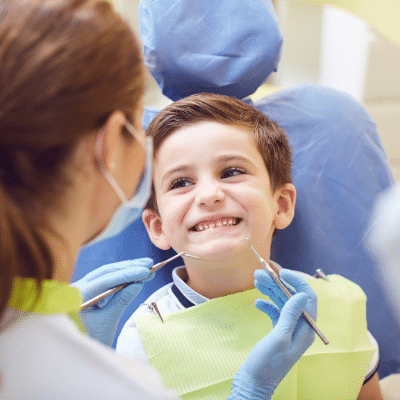 It’s doubtful that your one-year-old will squeal happily at her first visit to the dentist. Still, the American Academy of Pediatric Dentistry advises parents to begin dental visits well before the two-year molars appear. Many parents hope to avoid tears by waiting until their child is four or five for the first dental visit. However, if your child begins going to the dentist around her first birthday, she’ll be accustomed to dental care by the time she starts preschool.
A solid dental routine is about more than just easing your child’s fears. Bi-annual dental visits give your child’s dentist regular opportunities to catch brushing issues, teeth spacing problems or even cavities. While a child’s smile may appear healthy, hidden cavities can still exist. Visiting a dentist at a young age gives your child’s pearly whites a better chance to remain cavity-free while also building healthy habits.
An essential piece of the dental hygiene puzzle is picking a dentist. Pediatric dentists design their offices and procedures around children and their specific needs. Colorful pictures, prizes, and smiling staff comprise pediatric dental offices. Your child will grow up knowing that going to the dentist is a normal activity and that her pediatric dental office cares about her teeth. Going to the dentist isn’t fun, but a pediatric dentist can help create a positive experience and life-long precedent.
So what is the best plan to create a relationship between your child and a pediatric dentist?
- Start Early – The best thing you can do to start your child on the right path is by introducing proper brushing habits and oral checkups early and often. If your child understands that trips to the dentist are frequent and necessary, it won’t surprise her when the time comes.
- Reassurance – Soothe your child either beforehand or during the appointment by sharing information about what the dentist will do, the importance of the procedure, and reassuring them that everyone goes to the dentist to keep their teeth healthy.
- Lead By Example – If your dentist allows, bring your child along to your next checkup and let them watch. Seeing what’s happening to you may make it less scary when it’s happening to them. If this isn’t possible, see if your child’s dentist will do a pretend checkup on you before they start on your child.
- Find A Pediatric Dentist – Pediatric dentists are trained to handle children. They may use smaller instruments, have rewards for after the appointment, and the office may have colorful walls and pictures to help make a child feel more comfortable and confident in the office.
- Prepare In Advance – Read your child a book about dental visits, have them use a toy dental kit on you, and do pretend exams leading up to the real deal. If your child understands what is going to happen, it may help to soothe any anxiety they have.
No matter what age, regular dental checkups and cleanings are an important part of good oral hygiene, and your child’s confidence will grow as they grow older and visit the dentist more frequently. In the meantime, remaining calm and positive during exams is one of the best ways to reassure and soothe your child and build a rapport with your pediatric dentist.
Pediatric Dentistry & Orthodontics of Chattanooga is here to help keep your child’s smile healthy and bright. Contact us online or call our office. For Pediatric Dentistry: 423-541-5500 For Orthodontics: 423-541-5600


