PEDIATRIC DENTISTRY

Dedicated To Helping Children Smile Bright Through Pediatric Dentistry In And Around Chattanooga, TN

Great smiles, strong teeth and healthy oral hygiene for children

Bright smiles from their first birthday through high school graduation!

Through fun, personal and positive interaction, the Pediatric Dentists at Pediatric Dentistry & Orthodontics of Chattanooga will teach patients how to perform daily hygiene practices, help develop understanding and excitement for regular “check-ups,” and find age-appropriate ways to encourage healthy habits at home and provide the best Pediatric Dentistry is the area.

Pediatric Dentistry

Pediatric Dentistry

Our Services

Fillings

A filling may be required when the tooth structure has become damaged due to decay or a fracture. Often, fillings are used to remedy the effects of a cavity by removing the decayed portion of the tooth and filling the resulting space with a material that can restore the tooth to its proper function. Fillings may also be recommended for teeth that have been cracked, broken or worn down through bad habits such as nail-biting and tooth grinding.

When your child comes in for a filling, their dentist will provide them with a local anesthetic to numb the area around the tooth that needs filling. Once the area has been completely numbed, the dentist will use a specialized tool to remove the decayed portion of the tooth and clear out the area. During this whole process, your child will be totally comfortable and relaxed.

When the affected portion of the tooth has been fully cleaned and cleared of decay, the next step in the process is to clean out the cavity of any remaining bacteria or debris in the affected area. Once the area is completely clean and free of bacteria, your child’s dentist will fill the space with a special material that, when secured and hardened into your tooth, will restore your child’s tooth to its original strength and function.

After your child gets a filling, they may experience a bit of tooth sensitivity for a few weeks. The affected tooth may feel sensitive to sweet foods, extremely cold or hot temperatures, pressure or even air. This is totally normal and will often resolve itself within the first few weeks after getting the filling. If the sensitivity does not subside between two to four weeks after your child gets their filling, or if their tooth feels extremely sensitive or even painful when they touch it or bite down normally, contact your child’s dentist to schedule an appointment to determine the cause of the issue and get them the necessary treatment.

Maintaining proper dental hygiene is essential in keeping your child’s fillings strong and well maintained. Continue to regularly take your child to the dentist for professional cleanings and help your child take good care of their teeth and gums even outside the dentist’s chair. Encourage and help your child to brush regularly, floss and use an antibacterial mouthwash at least once a day. If you or your child notice any problems with their filling, call our offices to schedule an appointment to resolve the issue.

Extractions

Unlike a filling, which only removes a small portion of a damaged tooth, an extraction involves the complete removal of a tooth. These may become necessary if one of your child’s primary teeth is preventing the normal eruption of a permanent tooth, if their tooth has suffered extensive tooth decay or trauma that cannot be repaired or filled, if your child is suffering from gum disease or if the tooth is impacted.

Depending on the complexity of the case and the reasons for the procedure, an extraction can be performed surgically or non-surgically. Before pulling the tooth, your child’s dentist will provide your child with a local anesthetic to numb the affected area. Stronger general anesthetics may also be used depending on their individual case. Sedation is meant to help your child feel totally relaxed and comfortable during the procedure.

In an extraction procedure, your child’s dentist will use forceps to grasp the tooth and gently move it back and forth, loosening it from the jawbone and the ligaments that hold it in place. It’s important to remember that your child will experience no discomfort during the entire process.

When the tooth is removed, your child’s dentist will often give them a gauze pad to bite down on to stop the bleeding that usually follows an extraction. Stitches, when necessary, may also be used to close the gum edges over the extraction site.

After your child has had a tooth pulled, you can expect their recovery to take a few days as the affected area heals. Once the local anesthetic has worn off, your child may feel some discomfort which can be managed with prescribed painkillers. Some swelling and residual bleeding are also completely normal.

To expedite recovery, allow your child to spend the first full 24 hours after their extraction resting, biting down on regularly changed gauze pads and avoiding potentially damaging activities or habits such as rinsing out their mouth, spitting, drinking from a straw, eating hard foods or brushing directly over the extraction site. An ice pack may be applied to the affected area immediately after the procedure in ten-minute increments while they rest, making sure to have them lay down with their head propped up with pillows.

After 24 hours, have your child rinse out their mouth with a solution of ½ teaspoon salt and 8oz of warm water. When it comes to eating, your child should start with eating soft foods such as soup after the extraction, building up to solid foods as the affected area heals over the following days. If you or your child notices any signs of infection, nausea or increased swelling, contact your child’s dentist to resolve the issue immediately.

A tongue-tie or lip-tie is a thick, short or otherwise malformed oral tissue that can affect a child’s ability to breastfeed, speak, and eat solid foods. This malformed tissue can lead to a restricted range of motion for the tongue and make simple functions much more challenging. In infants, these ties can make breastfeeding very difficult which can result in poor weight gain and frequent or prolonged nursing sessions. In children, these ties can lead to problems speaking and eating, as well as dental and orthodontic issues. Our pediatric dentists have the training and skills to diagnose this problem and offer a simple, effective and painless solution.

A frenectomy is a procedure that removes either the connective tissue located under the tongue (lingual frenum) or the band of tissue that attaches the upper lip to the gums (labial frenum). Our pediatric dentists perform frenectomies using a LightScalpel CO2 laser that cuts and seals the tissues, resulting in very little or no bleeding.

The CO2 Laser technology allows us to safely and efficiently perform the procedure in often less than 30 seconds of laser time. There is no blood, no sedation needed and little-to-no pain. The procedure may be performed as early as a couple of days after birth and can be performed into adulthood.

Immediately following the surgery you may breastfeed or bottle-feed your baby, or your baby may use a pacifier. The day of the procedure the surgical site(s) will look reddish, brownish, or black. This will heal into soft white scabs (sometimes with a yellow or greenish tinge).  Post-op discomfort generally sets in 5-7 hours after the procedure. You will begin stretching exercises with your baby the day after surgery, and everything will heal and turn into a pink color – this typically happens around 2 weeks after the procedure.

Sedation Dentistry

Sedation dentistry refers to the use of sedation during dental treatment. Ranging from numbing agents to general anesthesia that helps your child sleep during dental procedures, sometimes sedation is necessary to keep your loved one comfortable during their treatment. Sedation is most commonly used during extensive procedures for patients with dental phobia or children who find it difficult to be calm and sit still. Children with dental phobia, low pain tolerance, major dental treatment, physical disabilities or strong gag reflexes may require sedation.

Nitrous oxide, most commonly known as “laughing gas,” is often used as a conscious sedative during a dental visit. The gas is administered with a mixture of oxygen and has a calming effect that helps phobic or anxious children relax during their dental treatments. If your child fears dental treatment, their dentist may discuss the possibility of using nitrous oxide during their visit to help your child feel more comfortable.

Because nitrous oxide is a mild sedative, your child is still conscious during treatment and can talk to you and their dentist for the duration of their visit. After treatment, the nitrous gas is turned off, and oxygen is administered for 5-10 minutes to help flush any remaining gas. The effects of laughing gas wear off almost immediately and rarely have any side effects, though some patients have reported minor nausea and constipation. At your child’s visit, their dentist will provide you and your child with pre- and post-sedation instructions so you can be well informed throughout the whole process.

General anesthesia helps your child to sleep temporarily while their dentist performs the necessary treatment or procedure. Children with severe dental phobia, low pain tolerance, major dental treatment, physical disabilities or strong gag reflexes may require sedation.

Sedation is endorsed the American Dental Association and the American Academy of Pediatric Dentistry and is an effective way to make your child feel more comfortable during their dental visits. Before using a sedative or anesthetic, it is important to tell your child’s dentist about any medications or medical treatments they may be receiving. Before administering any sedative or anesthetic, your child’s dentist will take the time to talk you through the process of sedation and all pre- and post-sedation instructions.

Dental Sealants

Having your child maintain proper dental hygiene through regular brushing and flossing is always the best way to prevent cavities and keep your child’s smile bright and healthy. Sometimes brushing is not enough to keep the hard-to-reach spots of their teeth clean. However, dentists today have a way to help your child keep their teeth clean, particularly the molars in the back of their teeth that can be particularly tricky to keep clean and clear of bacteria and debris.

Sealants are a protective coating made from specialized plastic resin materials that adhere to the bumpy chewing surfaces of your child’s back teeth. The material latches on to the small cracks and grooves in your little one’s teeth that, when left alone, can cause tooth decay. These sealants do not replace proper dental hygiene, but they can help prevent cavities and reduce the risk of decay in the sealed teeth by nearly 80%.

When your child gets a dental sealant, their dentist will clean and dry the area before placing an acidic gel on the teeth. This ensures that the surface is rough enough to properly bond with the sealant. After a few seconds, your child’s dentist will rinse off the acidic gel and dry the area once again. At this point, the sealant can be applied to the newly roughened surface of the tooth. The material will attach to the grooves in the tooth and settle in before it’s hardened. To harden and lock in the sealant, your child’s dentist will shine a specialized blue light on the material, which will truly seal the sealant in place.

Sealants are typically applied to children’s teeth as a preventative measure after the permanent teeth have erupted. It is more common to seal a child’s “permanent” teeth as opposed to their primary “baby” teeth, but your child’s dentist will assess their unique needs and recommend sealants on a case-by-case basis.

Sealants can last many years when paired with proper dental hygiene to keep the sealant from wearing down. Often, usual wear and tear will cause sealants to need replacing after three to five years, though it’s not uncommon to see an adult with sealants still intact from their childhood. When and if your child’s sealants do wear to a certain point, their dentist will need to repeat the initial process of sealing the tooth. Keeping up with your child’s regular dental visits is even more important in this case because it allows our dental team to check on the condition of their sealants and reapply them as they become necessary.

Meet Your Pediatric Dental Team

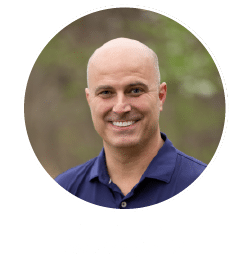
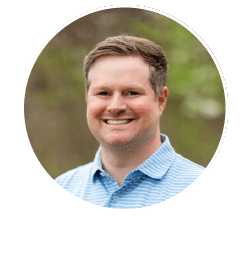
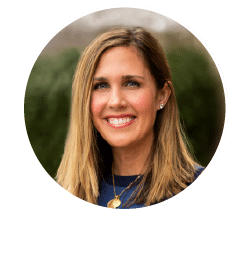
Meet your dentists, who combine experience, care and comprehensive services to create healthy smiles for children throughout the Chattanooga, TN area.


PDOC Chad Eslinger
Dr. Eslinger
PDOC Jason Blair
Dr. Blair
PDOC Ryan Wilson
Dr. Wilson
PDOC Daniel Holsinger
Dr. Holsinger
PDOC Nicki Brock
Dr. Brock
PDOC Katie Fullen
Dr. Fullen
dr margaret bauer headshot cropped
Dr. Bauer
Megan Bearden
Dr. Bearden

Meet Your Pediatric Dental Team

Meet your Pediatric Dentists, who combine experience, care and comprehensive services to create healthy smiles for children throughout the Chattanooga, TN area.

Our Patients Say It Best

“My timid 4 year old got his teeth cleaned. I was worried about how he’d take it all. But the technician that cleaned his teeth was so thorough with explaining everything. She helped him be comfortable. I was astounded and so grateful.”

Catherine

“Love this place for my son! I recommend this Pediatric Dentistry to everyone who is looking for a dentist for their child. Everyone is very caring, friendly and gentle. You will not be disappointed.”

Diana

“This is a wonderful place for orthodontics. Every doctor is friendly and the staff is always cheerful and welcoming. During the 2 years my daughter was in braces we did not have a single problem getting an appointment or service for an emergency.”

Katie
Let’s Get Started

Creating healthy, beautiful smiles through comprehensive, compassionate care.

girl in school smiling