
COMMON PROBLEMS
Treating & Preventing Common Problems From Occurring Again
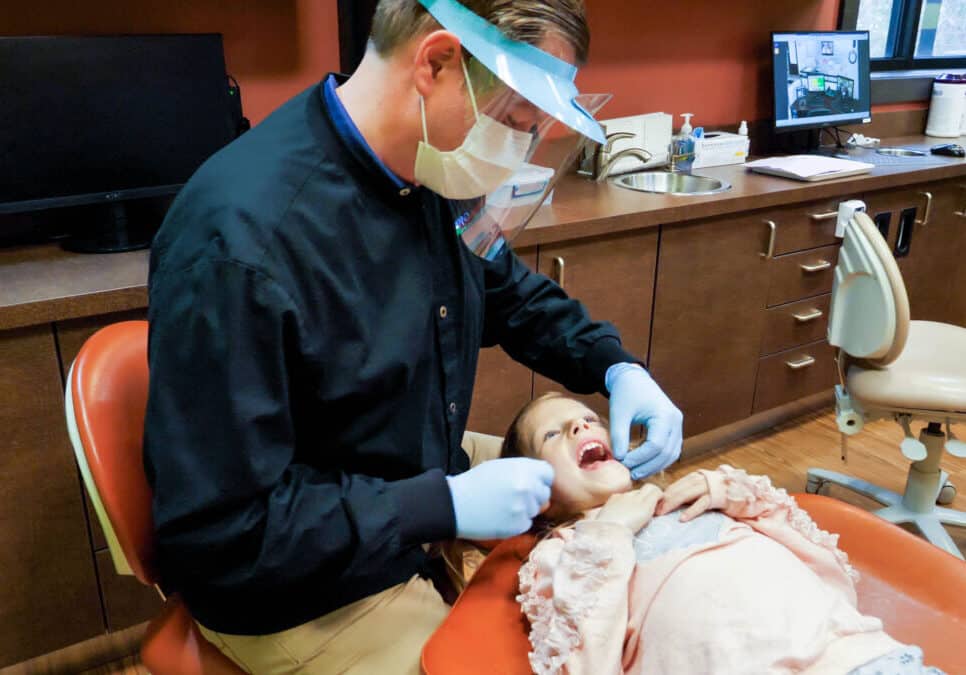

Help for you and your child
Common problems your child may experience
Your child’s oral health and dental hygiene can be impacted by a series of common problems, many of which can be prevented by practicing proper dental hygiene habits at home and keeping up with regularly scheduled visits to the dentist for checkups and cleanings. When these common problems do occur, Pediatric Dentistry & Orthodontics Collective can work with you and your child to treat these problems and prevent them from occurring again in the future.
Sensitive Teeth
When your child experiences sensitive teeth, it’s because their teeth are expanding and contracting in reaction to changes in temperature. Over time, tooth enamel can be worn down, causing gums to recede or teeth to develop microscopic cracks that expose the interior of the tooth. This irritates the nerve endings within the teeth and makes them more sensitive to shifts in temperature.
If your child is expressing pain when consuming particularly hot or cold food and beverages, they may have sensitive teeth. Some children’s teeth may only react to extreme temperatures such as ice cream or a steaming bowl of soup, but those with extreme sensitivity in their teeth may react to a cup of water or even the slight change in temperature from breathing in cold air.
If this sounds like your child, don’t worry! Our team may recommend at-home dental hygiene products made especially for those with sensitive teeth. At your child’s regular dental appointments, we will also discuss the potential underlying cause of their sensitive teeth and the relevant treatment options available that can strengthen your child’s teeth and reduce the pain and irritation that comes with tooth sensitivity.
Gum Disease
Gum disease, also known as periodontal disease, can cause inflammation, tooth loss and even bone damage for your child when left untreated. Gum disease begins to form in much the same way as tooth decay, with the gradual buildup of starches and sugars on the teeth that form a sticky film of bacteria called plaque. In the early stages of gum disease, called gingivitis, the gums can bleed easily and become red and swollen.
This is why it is important to floss regularly and take note of whether your child’s gums bleed or feel particularly tender when brushing or flossing. If your child is particularly fussy when it comes time to brush and floss their teeth, this may be the reason! In the advanced stages of gum disease, called periodontitis, teeth may fall out or need to be extracted by a dentist.
However, periodontal disease can be prevented from reaching this point by practicing good dental hygiene habits, taking note of early signs of disease such as bleeding gums or consistent bad breath, and visiting the dentist regularly for thorough cleanings and checkups that can catch gum disease early and treat it accordingly. Don’t worry, our expert team is here to help you and your child at every step of the way, so you can rest assured that your child’s care is in the best hands.
Canker Sores
If you’ve noticed small white or red sores in your child’s mouth, they may be experiencing a canker sore. Canker sores, also known as aphthous ulcers, are small sores inside the mouth that often recur, usually appearing on or under the tongue, inside the cheeks or lips, at the base of the gums or on the soft palate. These sores often appear as spots of inflammation and redness, with a white or gray sore in the center. Canker sores can form from a combination of many factors, which can make it difficult to pinpoint an exact cause of this common problem.
If your child has a canker sore, it will usually go away on its own in a week or two, but you should speak with your child’s dentist if your child is experiencing unusually large or painful canker sores, or if their canker sores don’t seem to be healing. Canker sores can cause some pain and discomfort, so if your child is experiencing one or multiple canker sores, the pain can be alleviated by some topical agents and by avoiding certain foods that may be causing the issue.


